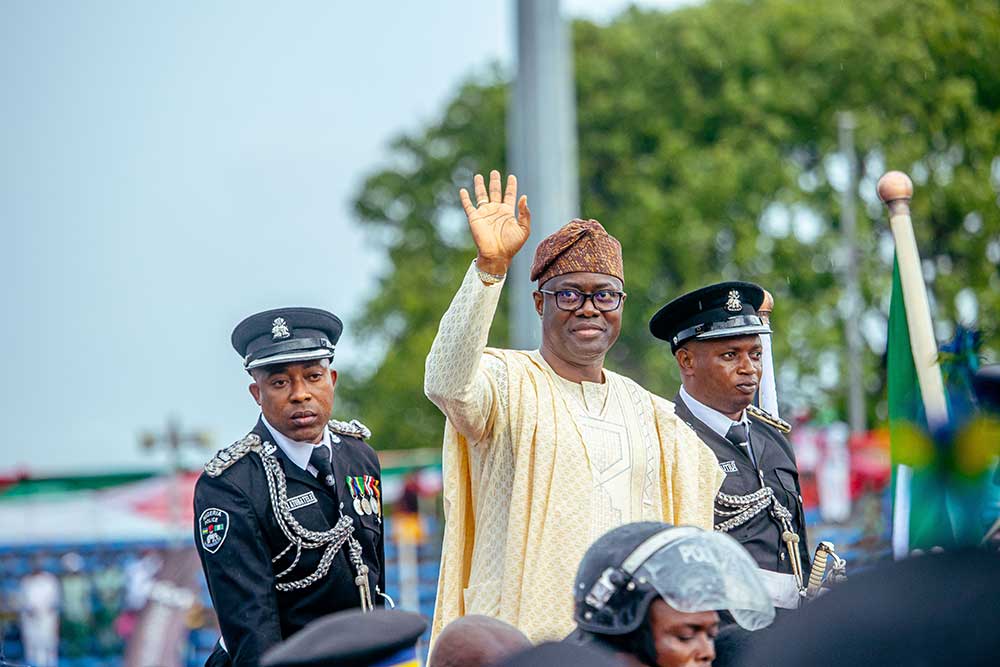
Welcome to the Official Website of Seyi Makinde Presidential Campaign 2027

ECONOMY
Governor Seyi Makinde’s economic achievements in Oyo State are anchored on the Roadmap to Accelerated Development, which identifies agribusiness and infrastructure as primary drivers of growth. Since assuming office in May 2019, his administration has expanded the state’s economy from ₦2.75 trillion to ₦4.05 trillion.
Key Economic Achievements
Agribusiness Expansion:
- Attracted over ₦27 billion in private agribusiness investment.
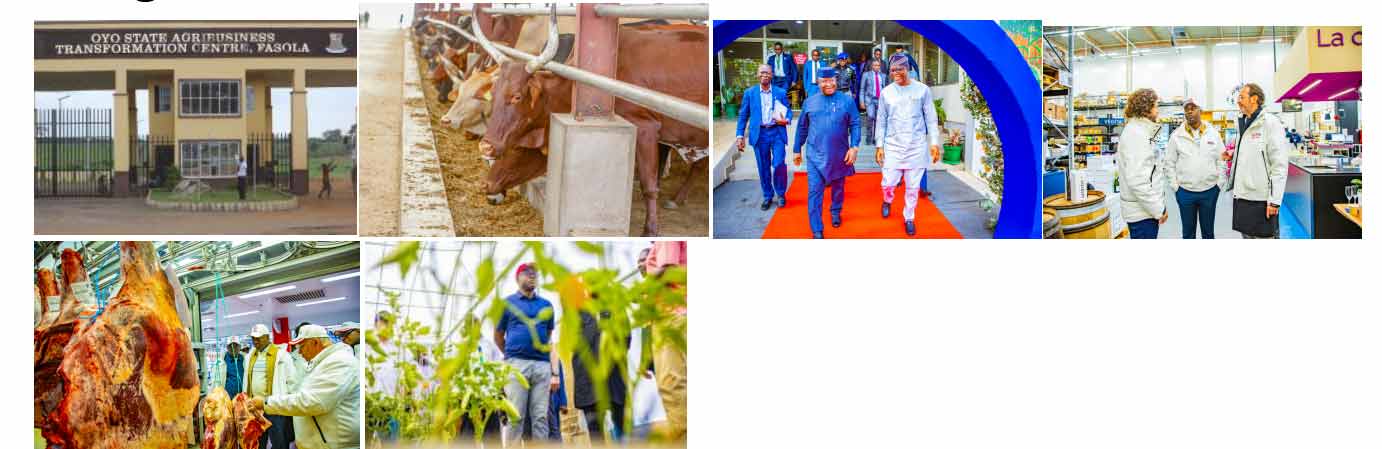
- Upgraded former farm settlements into Agribusiness Industrial Hubs, including the Fasola Agribusiness Industrial Hub and the Oyo State-IITA Youth Agribusiness Incubation Park Centre.
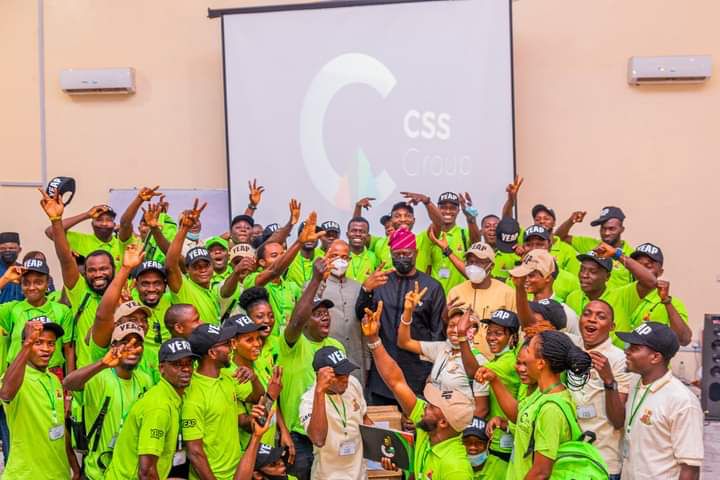
- Trained over 3,000 youths in modern food systems through the Youth Entrepreneurship in Agribusiness Project (YEAP).
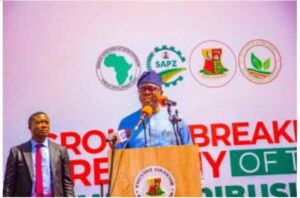
- Established the Ijaiye Mega Agribusiness Industrial Hub, which hosts over 40 industries with support from the African Development Bank.
- Developed the Eruwa Agribusiness Industrial Hub, replicating the Fasola model with approximately 10 agribusinesses.
- Supported over 46,000 smallholder farmers through the OyoCARES Programme by providing fertilizers, herbicides, seeds, and water pumps
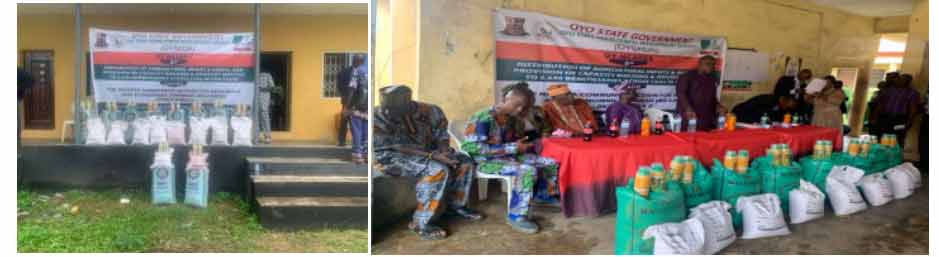
- Conducted soil testing in 100 communities across 28 agrarian Local Government Areas to optimize agricultural productivity
- Partnered with FCMB to provide ₦1.5 billion to support 1,000 young agripreneurs.
In addition to hub development, the administration has implemented complementary programs aimed at improving agricultural productivity and market access which includes:
- Implemented the Start Them Early Programme (STEP) in partnership with IITA across all senatorial zones.
- Rehabilitated rural roads to improve farm-to-market access.
- Established agricultural input supply centres.
- Created market linkages between farmers and industrial processors.
- Reduced transportation costs for agricultural produce through improved rural road networks.
- Established processing facilities that add value to agricultural products, thereby increasing export potential and foreign exchange earnings.
Additionally, the administration’s agricultural strategy has prioritised sustainability and climate resilience by incorporating modern farming techniques and irrigation systems.
Agricultural development during this period reflects a strategic shift toward agribusiness industrialisation, value chain integration, and youth empowerment. The combination of infrastructure investment, private-sector partnerships, and farmer support has contributed to increased agricultural productivity, improved food security, and enhanced rural livelihoods.
Continued investment in agriculture remains central to economic diversification, employment generation, and sustainable development.
Revenue Growth (IGR):
- Increased monthly Internally Generated Revenue (IGR) from ₦1.7 billionin 2019 to approximately ₦7.5 billion.
- Expanded the tax base without increasing tax rates by digitalising payment systems and harmonising demand notices to prevent multiple taxation.
Infrastructure for Economic Linkage:
- Completed over 500 kilometres of roads, including the 65km Moniya-Iseyin road, which connects the state capital to the agrarian “breadbasket” region of Oke-Ogun.

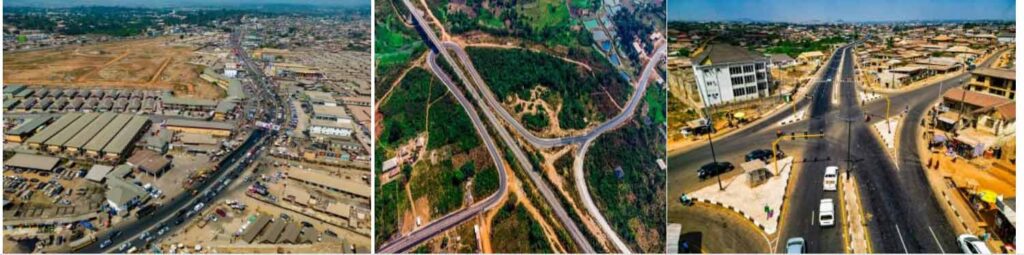
- Established the Alternative Project Funding Approach (APFA), enabling contractors to finance projects while the state repays over time, ensuring development continues despite limited immediate funds.
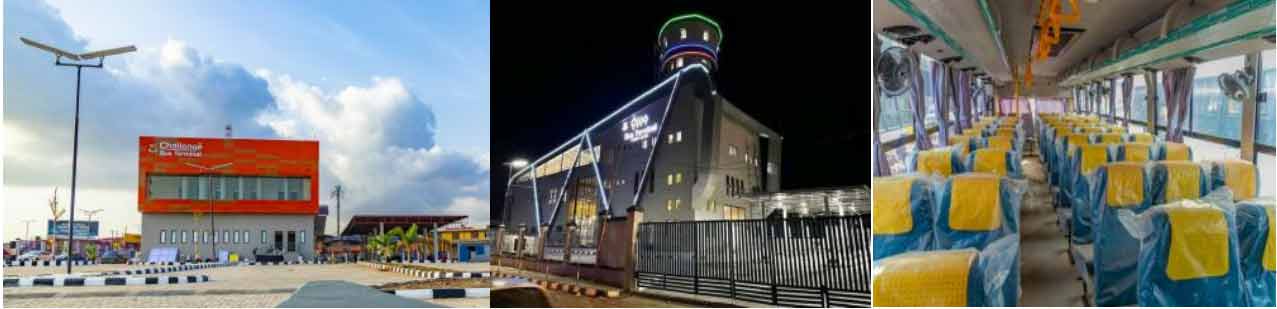
- Modernised transportation through the commissioning of the Challenge and Ojoo Bus Terminals and the introduction of the Omi Tuntun mass transit buses.
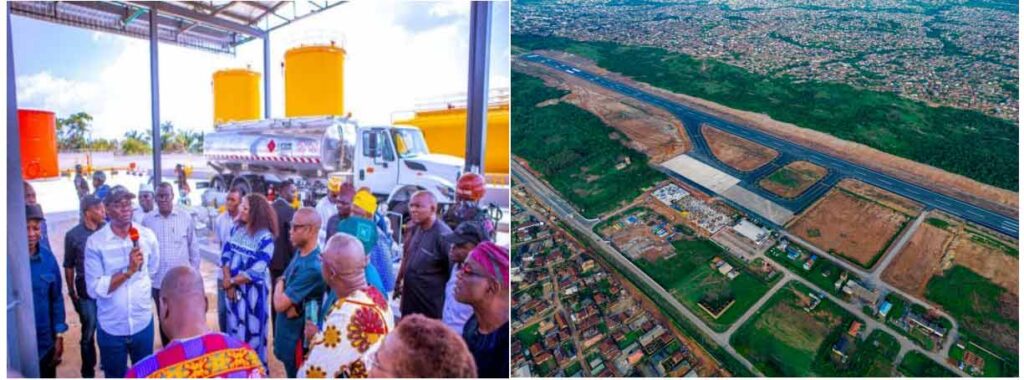
- Extended and widened the Samuel Ladoke Akintola Airport runway from 2,400 metres to 3,000 metres and from 45 metres to 60 metres to accommodate wide-body international aircraft.
- Constructed a new state-of-the-art international terminal, increasing annual passenger capacity from 100,000to 1,000,000.
- Upgraded airfield lighting systems to Category C standards to enable night operations.
- Installed a 500,000-litre aviation fuel storage and dispensing system, concessioned to BOVAS and Company Limited.
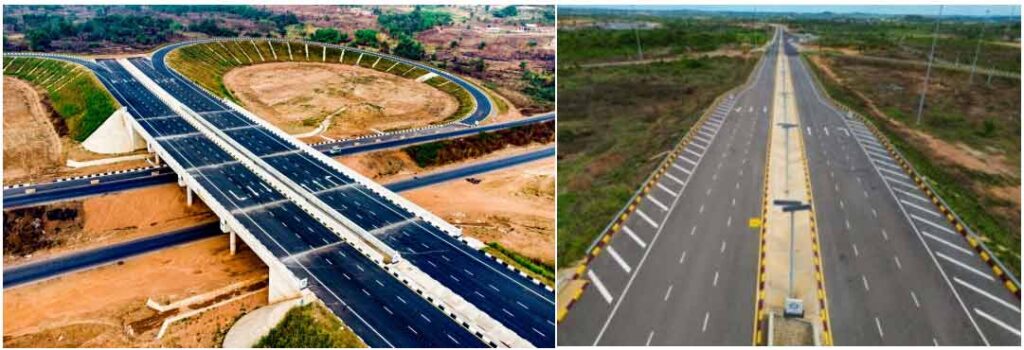
- Constructed the 110km Ibadan Circular Road as a strategic economic corridor.
- Developed the Ibadan Dry Port(Inland Container Terminal) to facilitate cargo movement.
Transportation infrastructure development during this period reflects a strategic shift toward structured project execution, multimodal connectivity, and sustained investment in economic enablers.
The combination of alternative funding mechanisms, improved inter-zonal connectivity, urban transport upgrades, and aviation expansion has significantly enhanced the movement of goods and people, improved market access, and supported broader economic activities.
Continued infrastructure development remains central to sustaining economic growth, improving mobility, and enhancing the overall quality of life.
Worker and SME Support:
- Introduced a new minimum wage of ₦80,000 for state workers, ranking Oyo State third nationwide in implementation.
- Disbursed a ₦1 billion stimulus package to small and medium-sized enterprises (SMEs) to help them recover from economic shocks.
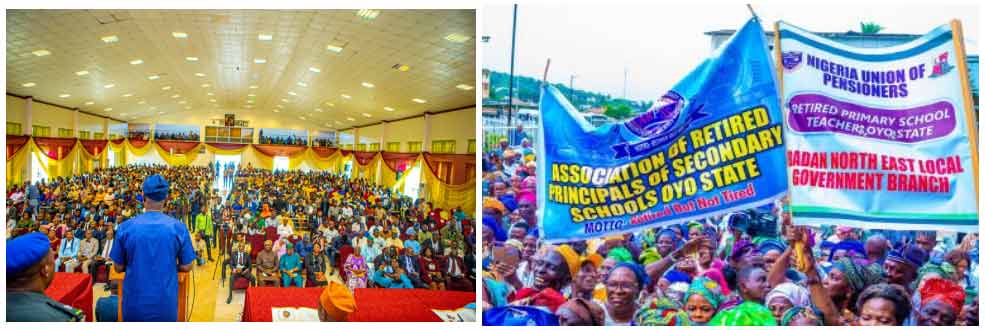
- Maintained consistent salary payments on the 25th of every month (known as “GSM Day”) and
- Significantly reduced pension and gratuity backlogs.
Tourism and Natural Resources:
- Acquired 23 new mineral titlesto boost revenue from the solid minerals sector.
- Positioned Oyo State as a major tourism destination, increasing daily visitors from 1,604 in 2019 to over 18,000 by late 2024.

Major Economic Achievements:
The key economic achievements of Seyi Makinde include but not limited to:
- Attracted over ₦46.6 billion in agribusiness investments.
- Secured $170 million in development funding.
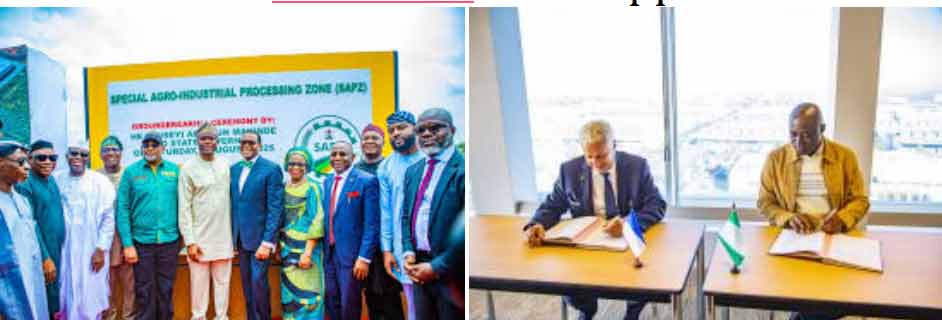
- Established the Fasola Agribusiness Hub as Nigeria’s first Special Agro-Industrial Processing Zone (SAPZ) designated by the African Development Bank.
- Integrated 8,200 smallholder farmers into formal supply chains.
- Trained over 5,020 youths in agribusiness through OYSADA.
- Achieved over ₦25 billion in aggregate capital investments across multiple sectors.
Other Supporting Economic Infrastructure:
In addition to direct investment, the administration has implemented complementary programmes aimed at improving economic inclusion and financial access:
- Establishment of the Oyo State Agribusiness Development Agency (OYSADA) to coordinate agricultural industrialisation
- Development of the Start Them Early Programme (STEP) in partnership with IITA to introduce agribusiness to secondary school students across all senatorial zones
- Implementation of the OyoCARES programme supporting over 46,000 smallholder farmers with fertilizers, herbicides, seeds, and water pumps
- Creation of modern bus terminals at Challenge, Ojoo, Iwo Road, and New Ife Road to facilitate commerce
Impact on Economic Activities and Daily Life
The administration’s economic reforms have had measurable impacts on employment, investment, and household welfare.
Improved fiscal discipline has ensured:
- Consistent salary and pension payments.
- Sustainable infrastructure financing.
- Increased investor confidence.
- Job creation across agriculture, logistics, transportation, and processing sectors.
The growth in IGR has enabled development without unsustainable debt accumulation, while agribusiness industrialisation has expanded formal employment opportunities, strengthened rural incomes, and enhanced food security.
Additionally, the administration’s commitment to transparency in procurement and project execution has improved governance, reduced corruption, and strengthened private-sector participation.
Economic development during this period reflects a strategic shift toward fiscal sustainability, structured investment attraction, and inclusive growth.
The combination of improved revenue generation, strategic infrastructure expansion, and economic diversification has enhanced living standards, strengthened competitiveness, and positioned Oyo State as a leading subnational economy in Nigeria.
HEALTH
Governor Seyi Makinde has made healthcare one of the central pillars of his administration since assuming office in 2019, with a strategic focus on a “neighbourhood clinic” model aimed at decentralising access to quality healthcare services. His achievements span infrastructure upgrades, significant workforce recruitment, affordable health insurance, and improved emergency response systems.
- Primary and Secondary Infrastructure
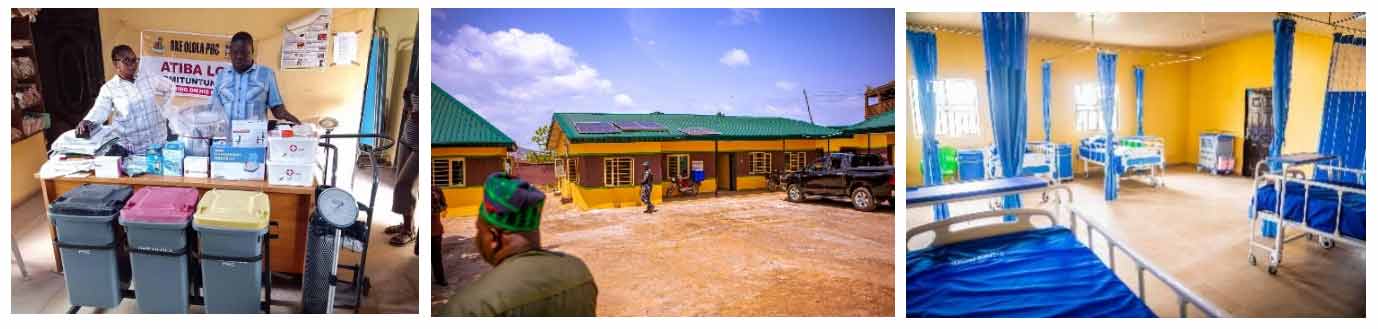
The administration’s primary goal has been to ensure that each of the 351 wards in Oyo State has at least one functional Primary Healthcare Centre (PHC).
PHC Upgrades:
- Renovated, equipped and upgraded over 200 PHCs out of the planned 299 facilities.
- Improved access to quality healthcare at the grassroots level, particularly in underserved rural communities.
Secondary Healthcare Facility Modernization:
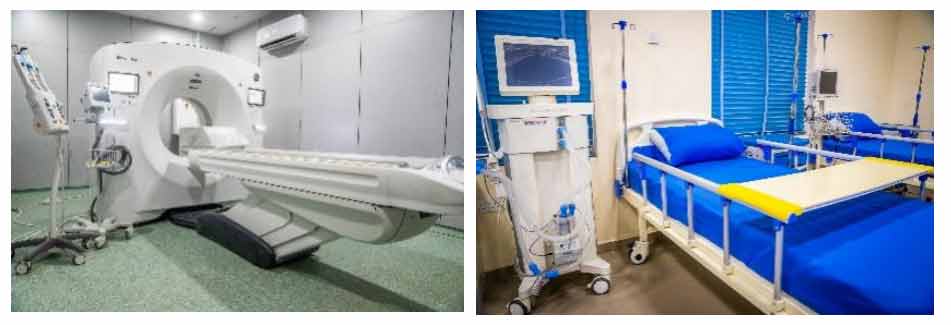
- Upgraded major healthcare including Ring Road State Hospital, Adeoyo Maternity Hospital, and General Hospitals in Tede, Eruwa, and Iseyin.
- Specialized Medical Units:Established a Renal Dialysis Centre and High Dependency Unit at Ring Road State Hospital, and installed a 64-slice CT scanner to improve diagnostic capabilities.
- Medical Oxygen Plants:Installed Pressure Swing Adsorption (PSA) Oxygen Plants at Jericho Specialist Hospitaland State Hospital Oyo to improve access to medical oxygen.

- Healthcare Workforce Expansion
To address healthcare workforce shortages, brain drain and service delivery gaps, the administration implemented large-scale recruitment and capacity-building initiatives.
Recruitment Drives:
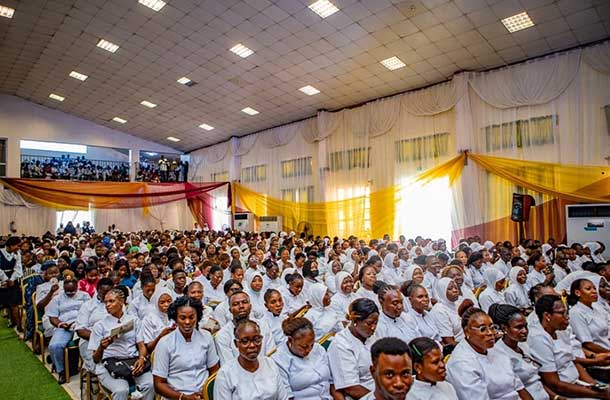
- Inducted 3,933 new primary healthcare workers in early 2026.
- Recruited over 500 health workers in 2021.
- Added 1,500 community health practitioners to strengthen grassroots healthcare delivery.
Training and Professional Development:
- Secured accreditation for residency training programmes at:
- Adeoyo State Hospital
- Jericho Specialist Hospital
- Conducted regular capacity-building programmes for over 3,200 frontline healthcare workers.
- Universal Health Coverage & Insurance Expansion
The Oyo State Health Insurance Agency (OYSHIA) remains a cornerstone of the Makinde’s “Omituntun” agenda.
- Enrolment Growth:Makinde’s administration increased total enrollees to over 213,000 by May 2024, a significant increase from previous years.
- Affordability:The scheme reduced average out-of-pocket health costs from ₦50,000 to ₦8,000 per year for residents.
- Community Pilots:Launched pilot health insurance programmes in communities such as Eyin Grammar and Egbeda.
These interventions have significantly expanded healthcare affordability and reduced financial barriers to medical access.
- Special Health Initiatives and Public Health Interventions
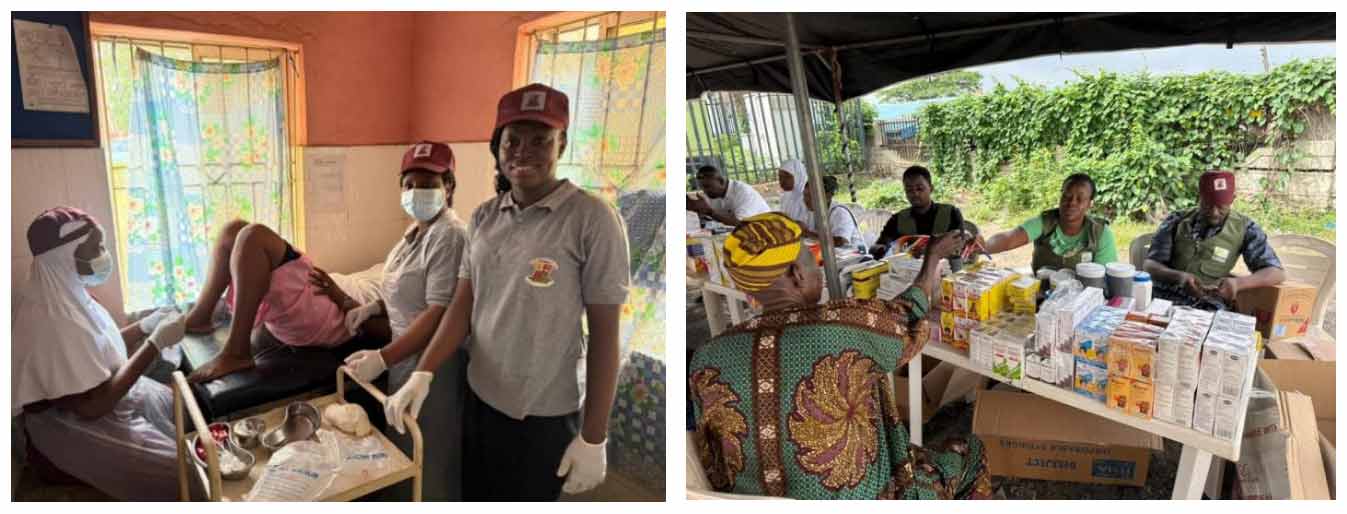
- Omituntun Free Health Mission: A quarterly programme delivering free medical consultations, surgeries and interventions which served over 500,000 residentsin 2022 alone.
- T’omo T’iya Initiative: A program specifically designed to reduce maternal and neonatal mortality, enhance capacity building for maternal health officers and improve antenatal care services.
- COVID-19 Response: Makindes administration established science-led response, including the rapid establishment of the Infectious Disease Centrein Olodo and a data-driven public dashboard for transparent, data- driven monitoring.
- Emergency Medical Response Services: Expanded the 615 toll-free emergency lineto include medical emergencies and strengthened ambulance and emergency response systems statewide.
Other Supporting Health Infrastructure
In addition to direct healthcare facility upgrades, the administration implemented complementary interventions to improve health outcomes:
- Reduced maternal mortality from 296 to 244 deaths per 100,000 live births.
- Reduced neonatal mortality through improved facility-based deliveries.
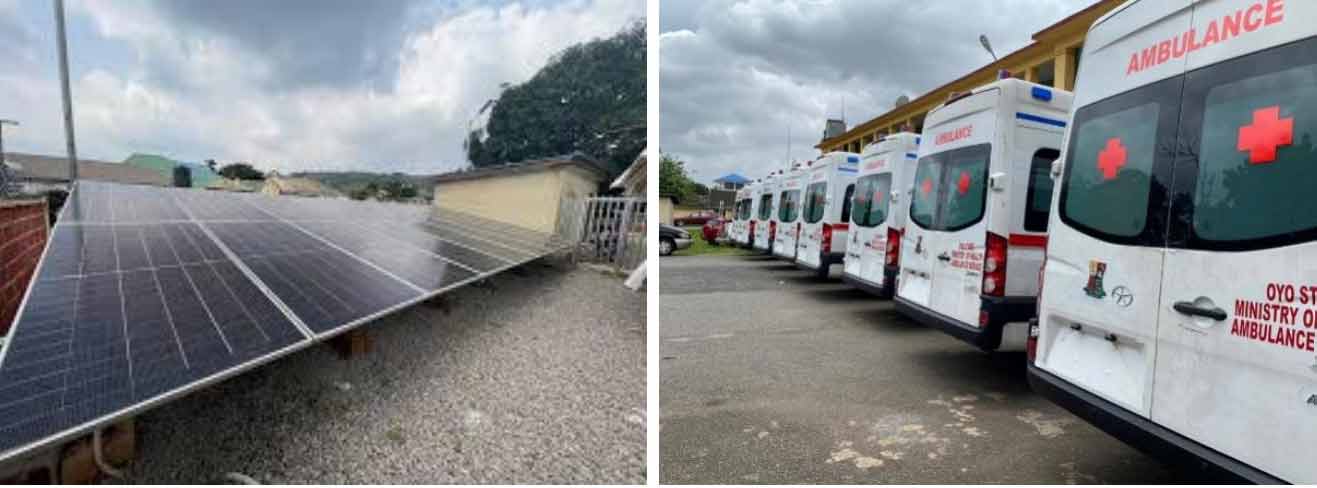
- Installed solar power systems in 21 PHCs to support vaccine preservation and essential equipment.
- Expanded emergency transportation and ambulance services.
- Strengthened maternal and child healthcare services across rural communities.
Impact on Health Outcomes and Daily Life
The expansion of healthcare infrastructure and services has had measurable positive effects on healthcare delivery, health outcomes, and quality of life of Oyo State residents.
Key Impacts:
- Improved access to primary healthcare services, especially in rural areas.
- Reduced travel time and transportation costs for medical care.
- Increased access to maternal and child health services.
- Enhanced emergency preparedness and pandemic response capacity.
- Reduced financial burdens on households through health insurance.
- Improved diagnostic and specialist treatment capabilities.
- Increased quality of care through workforce expansion and professional training.
Healthcare reforms under this administration reflect a strategic shift toward structured health system strengthening, expanded universal coverage, and sustainable human capital development.
The combination of healthcare facility upgrades, insurance expansion, workforce recruitment, and targeted public health programmes has contributed to:
- Improved health indicators
- Reduced mortality rates
- Increased life expectancy
- Enhanced public confidence in state healthcare systems
Continued investment in healthcare infrastructure remains central to achieving universal health coverage, reducing preventable deaths, and improving the overall well-being of Oyo State residents.
EDUCATION
Since assuming office on May 29, 2019, Governor Seyi Makinde has implemented several transformative educational reforms in Oyo State, with a strategic focus on access, quality, infrastructure development, and human capital investment. One of his earliest landmark decisions was the total abolition of the ₦3,000 education levy in public schools, effectively making primary and secondary education free across the state.
Key Educational Achievements
- Access to Education and Reduction of Out-of-School Children
- Return to School Initiatives: His administration has successfully returned over 65,000 out-of-school childrento the classroom through targeted interventions and the removal of school levies. The reintegration efforts significantly improved school enrolment rates and reduced educational exclusion.
- Free Learning Materials: Distributed millions of customised notebooks and textbooks to students in public schools hereby improving access to essential educational resources for learner across the state.
- Scholarship and Bursary Support: Makinde’s administration provided an annual ₦500,000 bursaryto every Oyo State indigene attending the Nigerian Law School. He also, awarded scholarships to students across all 33 Local Government Areas.

- Educational Infrastructure Developments
- Construction & Renovation: Completed over 600 projectsin the education sector, including the construction of 60 model schools and the renovation of hundreds of classroom blocks.
- Facility Upgrades: Installed boreholes and modern sanitation facilities in dozens of schools to enhance access to clean water, and improve the learning environment and hygiene standards.
- University Ownership: Achieved sole ownership of the Ladoke Akintola University of Technology (LAUTECH)for Oyo State in 2020.
- Institutional Expansion: Successfully converted Emmanuel Alayande College of Educationinto a full-fledged University of Education.
- Reintegration of over 60,000 out-of-school children into the educational system
- Established four new educational zones to strengthen administration, supervision and service delivery.
- Doubling of primary school staff strength from 13,730 in 2019 to 26,436 in 2025
- Scholarship awards to students across all 33 local government areas
- Teacher Recruitment, Welfare and Professional Development
- Mass Recruitment: His administration recruited over 14,000 teachersand 3,000 non-teaching staff into the state’s education system.
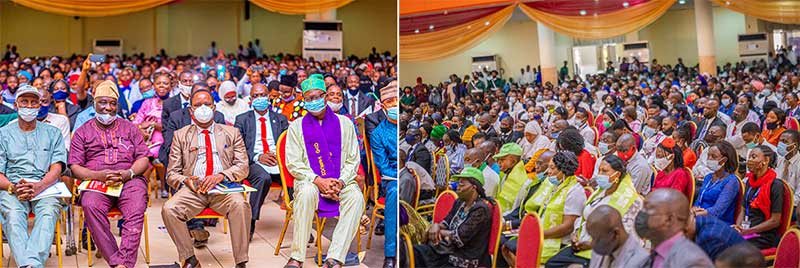
- Digital Training and Capacity Building: Implemented digital training programme for 18,000 teachers, providing them with computer tablets preloaded with lesson plans to modernize teaching practices.
- Career Advancement: Approved teacher promotions up to Grade Level 17, which was previously restricted within the civil service.
- Continuous Professional Development: Conducted ongoing teacher training and retraining programmes to improve instructional quality.
- Budgetary Commitment to Education
- UNESCO-Aligned Investment: Consistently allocated over 20% of the state’s annual budget to education exceeding the UNESCO recommended standard of 15–20%.
- This strong fiscal commitment reflects the administration’s prioritisation of education as a foundational pillar of development.
- Special Needs Education and Vocational Training
- Inclusive Education: Recruited 100 dedicated caregivers for special needs schools and provided specialized teaching aids like Perkins Braillers, and hearing aids.
- Training and retraining of teachers to improve instructional quality
- Provision of free textbooks and educational materials to public school students
- Agribusiness Integration: Launched the Start Them Early Program (STEP)in 13 secondary schools to train students in modern agribusiness practices.
Impact on Educational Outcomes and Daily Life
The administration’s education reforms have had measurable positive impacts on enrolment, learning outcomes, institutional stability, and economic opportunities.
Key Impacts:
- Increased school enrolment and reduced out-of-school rates.
- Improved learning environments through infrastructure upgrades.
- Enhanced teacher quality and student performance.
- Expanded higher education access through institutional reforms.
- Improved workforce readiness through vocational and agribusiness training.
- Increased educational equity through bursaries, scholarships, and inclusive policies.
The resolution of LAUTECH’s ownership crisis provided institutional stability and enabled strategic expansion, while the establishment of a University of Education broadened tertiary education opportunities.
The reintegration of out-of-school children has significantly reduced educational deprivation and improved literacy levels.
Additionally, the emphasis on technical, vocational, and agribusiness education has better positioned students for employment in critical economic sectors.
Education development under this administration reflects a strategic shift toward comprehensive human capital investment, institutional reform, inclusive educational access, teacher empowerment and sustainable infrastructure investment.
The combination of policy reforms, infrastructure development, workforce expansion and increased budgetary allocation has contributed to improved educational outcomes, increased enrolment, greater social mobility and enhanced workforce readiness.
Continued investment in education remains central to economic development, poverty reduction, and national competitiveness.
This progress demonstrates the impact of governance that prioritises measurable results, strategic planning, and inclusive development.
ENERGY AND POWER
Governor Seyi Makinde’s administration has significantly transformed the energy sector in Oyo State through regulatory reforms, independent power generation, and rural electrification initiatives. Key achievements include the commissioning of the state’s first 11MW hybrid independent power plant and the enactment of the Oyo State Electricity Regulatory Commission Law, which empowers the state to generate, transmit, and distribute electricity within its jurisdiction.
These reforms position Oyo State as a subnational leader in Nigeria’s evolving decentralized electricity market and provide a scalable model for energy transformation across the country.
Key Strategic Milestones:
- Legislative and Regulatory Reform
- Oyo State Electricity Regulatory Commission (OYSERC): Makinde signed the Oyo State Electricity Regulatory Billinto law in early 2024, enabling the state to regulate its own intrastate electricity market independently, positioning Oyo State to eventually target a 500MW capacity.
- Market Operationalization: An acting board for OYSERCwas inaugurated in March 2026 responsible for licensing generation and distribution companies, setting tariffs, and managing consumer protection mechanisms.
- Energy Sector Unbundling: The administration has initiated the transition towards a subnational electricity market structure, which includes gradual unbundling of legacy distribution companies to improve efficiency and competitiveness.
- Scalability Insight: This regulatory framework serves as a replicable model for other Nigerian states seeking to establish independent electricity markets under the Electricity Act, enabling decentralised power governance nationwide.
- Independent Power Projects (IPP)
- 11MW Hybrid Power Project: In December 2024, Phase 1 (5MW) of an 11MW hybrid power plant was commissioned. The first phase includes 4MW of gas-fired generation and 1MW of solar Photovoltaic System.
- Coverage and Impact: It provides stable electricity to the Oyo State Secretariat, government house, 12 healthcare facilities (including Adeoyo Maternity Teaching Hospital), and several public schools.

- Projected Expansion Plan: Plans are in place to add an additional 120MW by 2027 to reach a total supply of approximately 300MW, bridging the state’s current estimated deficit of 520MW.
- Scalability Insight: The hybrid IPP model demonstrates a practical public-sector-led energy solution that can be replicated across Nigeria’s states and municipalities, particularly where grid instability limits economic productivity.
- Renewable Energy and Rural Electrification
- Solar Mini-Grids: The state has operationalized solar-hybrid mini-grids in rural communities like Otefon, Agbaruru, Ajia, and Arowomole. These systems provide decentralised and reliable electricity access to underserved areas.

- Public Infrastructure: Over 100 Primary Healthcare Centres (PHCs)across the state have been equipped with solar lighting systems to ensure 24/7 operations of essential medical equipment and vaccine cold-chain systems.
- Industrial Solar: Supported private sector renewable energy installations including 663.6kWp solar plant at Nigerian Breweries and 1MW solar plant at Fan Milk Plc.
- Scalability Insight: The rural mini-grid and industrial solar models provide a scalable framework for accelerating Nigeria’s energy transition, especially under federal renewable energy and off-grid electrification programmes.
- Gas Infrastructure Development
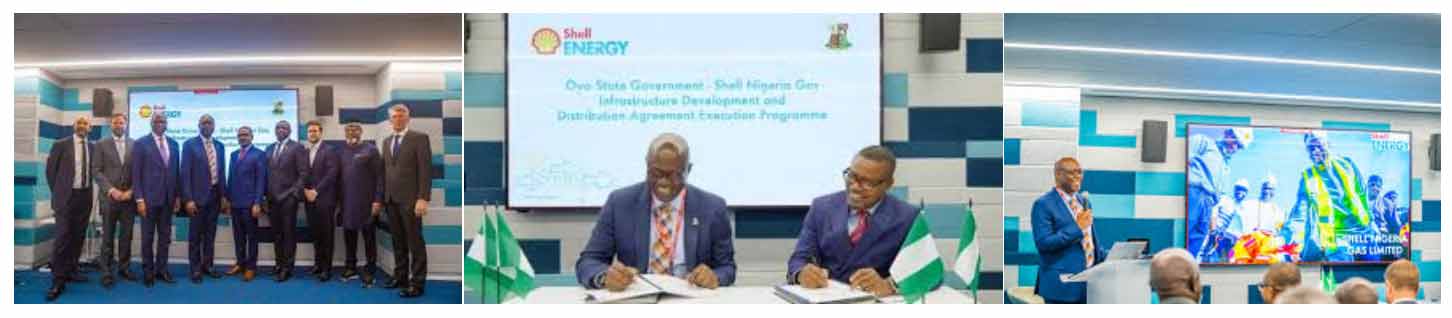
- Shell Nigeria Gas Partnership:A $100 million partnership agreementwith Shell Nigeria Gas (SNG) is in progress to build a Pressure Reduction and Metering Station and pipeline infrastructure to supply gas to industrial hubs and power plants.
- Centre for Excellence in Energy Innovation: Established in collaboration with a Finnish consortium at LAUTECH to facilitate research, innovation, capacity building and development in renewable energy.
- Light Up Oyo Project: Installed streetlights on over 220km of roads across the state to deter night time criminal activities.

Other Supporting Energy Infrastructure
The expansion of energy infrastructure has produced measurable improvements in economic performance, service delivery, and quality of life across Oyo State.
- Improved power supply reliability for public institutions and businesses.
- Enhanced healthcare delivery through uninterrupted electricity in hospitals and PHCs.
- Strengthened vaccine storage and emergency medical services via solar-powered facilities.
- Increased industrial attraction due to more stable and predictable energy supply.
- Expanded rural electrification, improving education, small business growth, and household welfare.
- Improved public safety through enhanced street lighting and night-time economic activity.
Impact on Economic Activities and Daily Life
The expansion of energy infrastructure in Oyo State has significantly improved business productivity, healthcare delivery, and overall living standards. Reliable power supply to government institutions, hospitals, schools, and industrial hubs has reduced dependence on unstable national grid electricity and costly alternative power sources.
Rural electrification through solar mini-grids has expanded access to electricity in previously underserved communities, improving education, supporting small businesses, and enhancing household welfare. Improved street lighting and stable electricity have also strengthened security and increased night-time commercial activities.
These reforms have attracted private investment, supported industrial growth, reduced operational costs, and positioned Oyo State as a scalable model for sustainable energy development across Nigeria.
Broader Economic and National Significance
Energy development under this administration reflects a strategic shift toward:
- Decentralised power generation and governance
- Increased private sector participation
- Renewable and hybrid energy solutions
- Sustainable infrastructure financing
The combination of regulatory reform, independent power projects, and renewable energy investments positions Oyo State as a subnational energy innovation hub in Nigeria.
Scalable Model for Nigeria
The Oyo State energy framework provides a replicable blueprint for other states across Nigeria through:
- Decentralised Electricity Markets: Enabling states to regulate and manage intrastate power supply.
- Hybrid IPP Models: Combining gas and solar for stable and cost-effective generation.
- Rural Mini-Grids: Expanding access in off-grid communities.
- Public–Private Partnerships: Mobilising private capital for energy infrastructure.
- Sector Integration: Linking energy supply to healthcare, education, and industry.
If adopted nationwide, this model can significantly reduce Nigeria’s energy deficit, improve industrial productivity, and accelerate economic diversification.
Continued investment in energy remains central to industrialisation, economic growth, and sustainable development.
Oyo State’s energy reforms demonstrate that with the right policy framework, states can move beyond dependence on the national grid and become active power producers.
This is what happens when governance is driven by implementation, structure, and measurable results rather than promises.
SECURITY
Governor Seyi Makinde has made security a foundational pillar of his administration in Oyo State by prioritising institutional reforms, community-based policing, technological surveillance, and strategic logistical support for security agencies. His administration’s security interventions have strengthened public safety, improved investor confidence, and enhanced social stability across the state.
Key Security Achievements
- Institutional & Community Security
- Establishment of Amotekun Corps: Makinde spearheaded the operationalisation of the Western Nigeria Security Network, known as Amotekun Corps, in November 2020 to complement federal security agencies.
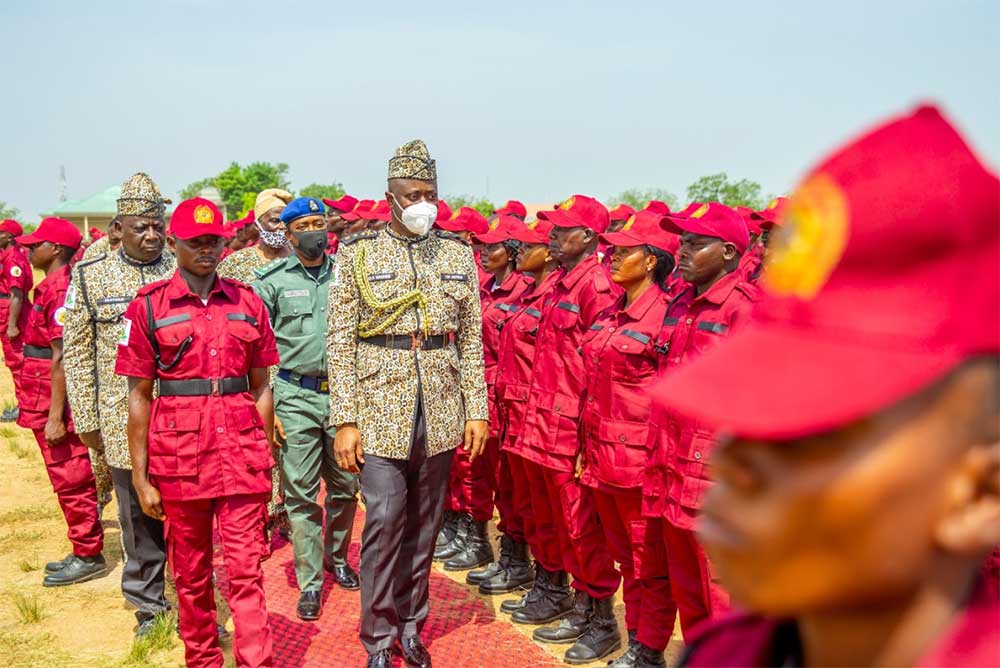
- Expansion of Personnel: The administration has recruited and trained over 1,500 Amotekun corps members, deploying operatives across all 33 local government areas.
- Joint Security Posts: Established a Joint Security Force Baseat Mamu Village on the Oyo/Ogun border, equipped with CCTV, solar energy, and communication gadgets to monitor entry and exit points.
- Community Integration: Integrated local security stakeholders like the Vigilante Group of Nigeriaand Oodua People’s Congress (OPC) into the state’s security architecture for better intelligence gathering and local response capacity.
- Logistical & Technological Advancements
- Operational Mobility: Since 2019, his government has donated over 650 operational vehiclesand hundreds of motorcycles to various security agencies, including the Nigeria Police Force, Operation Burst, and Amotekun Corps.


- Emergency Response System: Launched the 615 toll-free emergency response line, which is connected to a central command and control system for rapid response to distress calls.
- Surveillance Infrastructure: Expanded and upgraded the Security Control Room and City Watchsurveillance system in Ibadan, featuring CCTV coverage at strategic locations and dual communication systems for personnel.
- Light Up Oyo Project: Installed streetlights on over 220km of roads across the state to deter night time criminal activities.

- Personnel Welfare & Inter-Agency Support:
- Welfare Support: His administration provides monthly running costs and welfare allowances to federal and state security personnel. This includes paying hospital bills for injured officers and compensation for families of fallen heroes.
- Military Infrastructure Support: Donated 58 hectares of land and ₦500 millionfor the establishment of a Nigerian Air Force Base in Ibadan.
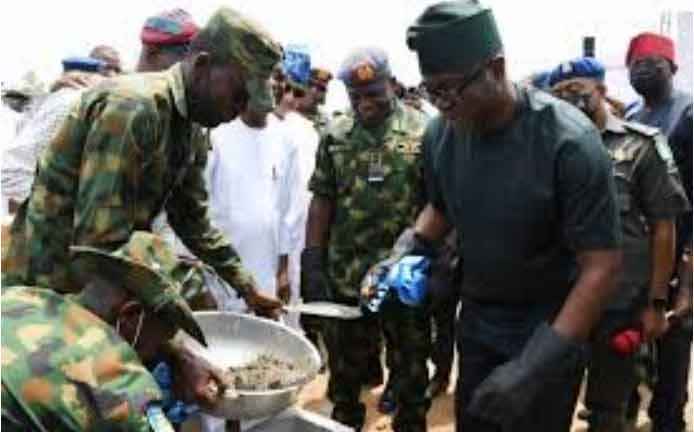
- Capacity Building: Signed a Memorandum of Understanding with the University of Ibadanto train security officers on criminal justice and human rights enforcement.
- Illegal Mining Task Force: Established a multi-agency task force in May 2025 to combat illegal mining activities and secure natural resources.
- Other Supporting Security Infrastructure
In addition to force multiplication, the administration has implemented complementary programmes aimed at intelligence gathering and community policing:
- Strengthened collaboration with traditional rulers, local community and stakeholders
- Establishment of neighbourhood watch programs in partnership with local communities
- Implementation of the Security Trust Fund to mobilize private sector support for security
- Training and capacity building for security personnel
Impact on Economic Activities and Daily Life
The expansion of security infrastructure has had measurable positive effects on economic productivity, public confidence, and daily life across Oyo State.
Key Impacts:
- Reduced crime rates by improving intelligence gathering and operational response.
- Strengthened investor confidence by creating a safer environment for business operations.
- Protected agricultural communities, reducing farmer-herder conflicts and supporting food security.
- Enabled safer transportation and commerce through improved road lighting and surveillance systems.
- Expanded night-time commercial activities due to enhanced public safety.
- Improved emergency response times for criminal incidents, accidents, and public distress.
- Increased social stability, making communities safer for residents and businesses.
The establishment of Amotekun and broader community policing initiatives has significantly improved grassroots security coverage, particularly in rural and underserved areas.
The Light-Up Oyo Project has directly supported economic growth by improving movement, reducing insecurity, and extending commercial activity beyond daylight hours.
Broader Governance and Developmental Impact
Security development under this administration reflects a strategic shift toward:
- Institutional security reform
- Technology-driven surveillance
- Community policing integration
- Multi-agency collaboration
- Sustainable security financing
The combination of force expansion, infrastructure investment, and policy reforms has contributed to:
- Improved public safety
- Reduced criminality
- Enhanced economic stability
- Stronger democratic governance
- Increased local and foreign investment confidence
National and Regional Scalability
Oyo State’s security model presents a scalable framework for wider adoption across Nigeria through:
- State-backed community policing systems
- Regional security collaboration
- Integrated surveillance technology
- Security sector welfare reforms
- Public-private security financing structures
This model demonstrates how subnational governments can proactively strengthen internal security while complementing federal institutions.
Continued investment in security remains central to economic growth, social stability, and sustainable development.
Governor Makinde’s security reforms have positioned Oyo State as a model for proactive governance, institutional coordination, and public safety innovation.
This progress demonstrates that when leadership prioritises structured implementation over rhetoric, security can become a powerful driver of development, investment, and improved quality of life.
RULE OF LAW
Governor Seyi Makinde has strengthened the rule of law in Oyo State through judicial reforms, anti-corruption initiatives, institutional enforcement, and expanded legal protections for vulnerable groups. A central achievement is the establishment of the Oyo State Rule of Law Enforcement Authority (OYRLEA) in April 2024 to bridge gaps in enforcing existing environmental, traffic, and trade laws. His administration has focused on building transparent institutions, improving judicial independence, and ensuring effective enforcement of state laws.
Key Achievements in Rule of Law
- Judicial Sector Reforms & Welfare
The administration has prioritised the independence and efficiency of the judiciary through several key actions:
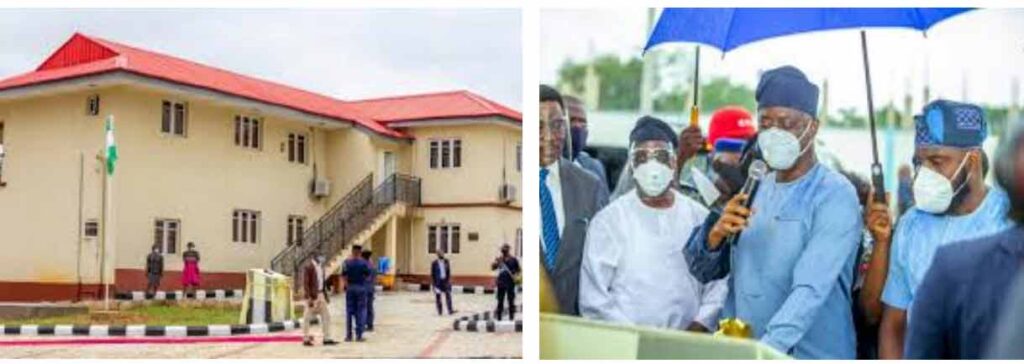
- Infrastructure Development: Overseeing the construction of a modern High Court Complex at Iyagankuwith 20 courtrooms and the renovation of multiple court premises across Ibadan and Ogbomoso.
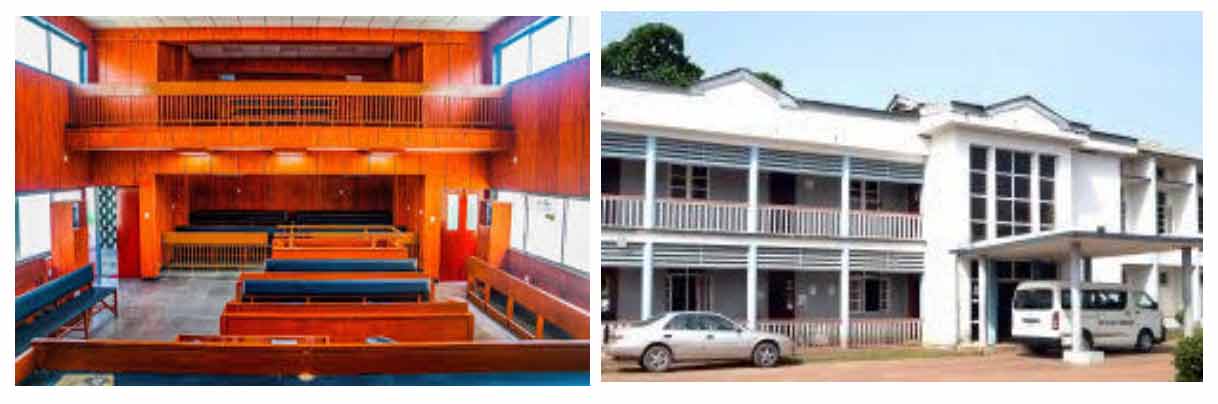
- Judicial Appointments: His administration appointed at least 10 new High Court judges in late 2024 to speed up the dispensation of justice.
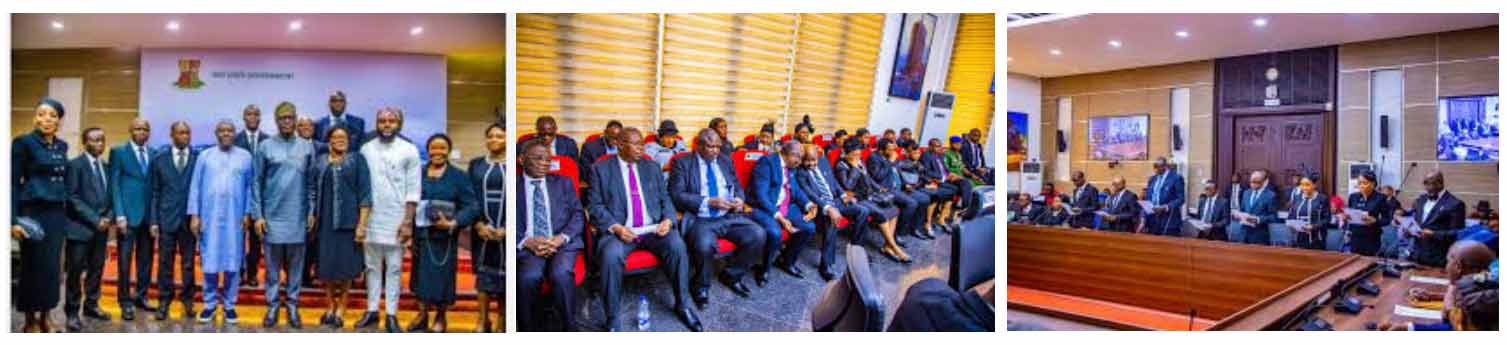
- Welfare Packages: Procuring 38 official vehicles for judges and magistrates—the largest bulk purchase in the state’s history—and clearing backlogs of judges’ gratuities.
- Family Court: Establishing and inaugurating the Oyo State Family Courtin July 2020 to handle child rights and family-related cases professionally.
- Anti-Corruption Initiatives
To promote transparency and accountability in governance, Governor Makinde:
- Established OYACA: Created the Oyo State Anti-Corruption Agency (OYACA) in December 2020 to investigate and prosecute corrupt practices in the public service.
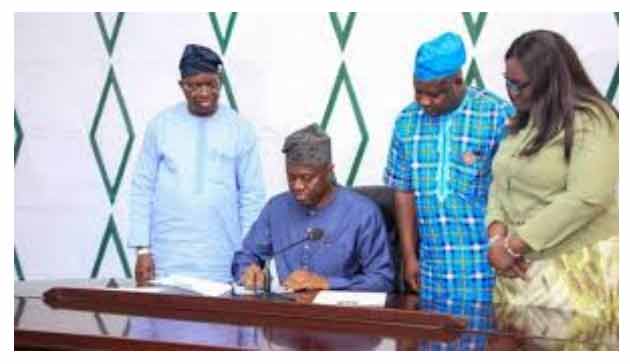
- Legislative Framework: Signed the Oyo State Anti-Corruption Bill 2019into law shortly after assuming office to safeguard state resources.
- Open Governance: Made Oyo State a signatory to the Open Government Partnership (OGP)and introduced the Oyo State Project Monitoring Agency in 2024 to ensure value for public funds.
- Legal & Enforcement Framework:
- Rule of Law Enforcement Agency (OYRLEA): This agency actively tries cases through tribunals and mobile courts. As of 2025/2026, it has decided over 6,000 traffic violation cases and 3,000 environmental offence cases.
- Protection of Rights: Signed the Violence Against Persons Prohibition (VAPP) Bill 2021into law and established the Abiamo Sexually Abused Referral Centre to support survivors of gender-based violence.
- Executive Orders: Issued several orders (EO No. 1 to 6) to regulate critical sectors, including the protection of mining communities and managing trade grievances.
Impact on Economic Activities and Daily Life
Strengthened rule of law has improved investor confidence, reduced corruption, enhanced justice delivery, and created a more predictable environment for economic activities. Improved legal enforcement has supported business regulation, public safety, and institutional credibility, positioning Oyo State as a governance model for broader national reform.
National and Regional Scalability
Oyo State’s governance and legal reform framework provides a replicable model for:
- Judicial autonomy
- Anti-corruption systems
- Mobile law enforcement
- Human rights protections
- Transparent public governance
This model can be adapted by other Nigerian states to improve governance and institutional performance.
Continued investment in legal institutions remains central to democratic governance, investor confidence, and sustainable development.
Oyo State’s rule of law reforms demonstrate that structured governance, transparency, and institutional independence can drive long-term prosperity and national transformation.
YOUTH EMPOWERMENT
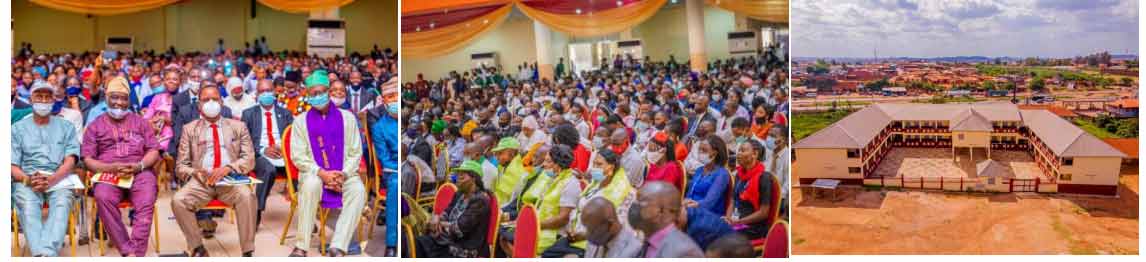
Governor Seyi Makinde has prioritized youth development through a multi-sectoral approach focusing on agribusiness, political inclusion, education, and sports. His administration is noted for integrating young people into high-level governance and creating structured programs for economic self-reliance.
Key Achievements in Youth Development:

- Economic Empowerment & Agribusiness
-
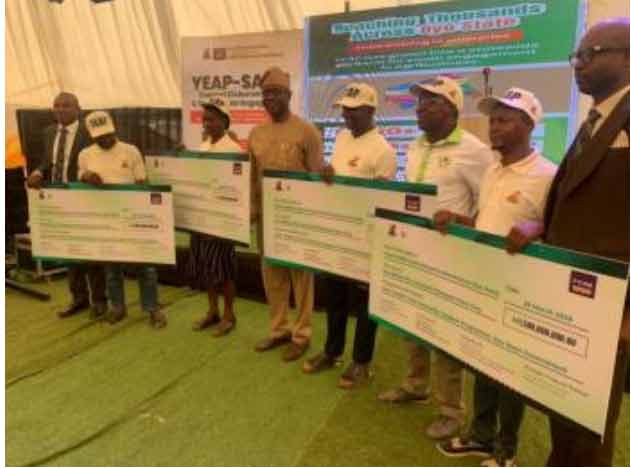
- Youth Entrepreneurship in Agribusiness Project (YEAP): This flagship program has trained over 3,000 youthsin modern, technology-driven food systems.
- YEAP-SAfER Programme: In 2025, the government launched a ₦1.5 billion fund to support 1,000 young agripreneurs with low-interest loans to scale their businesses.
- Vocational Training: Over 10,000 residents, primarily youth, have benefited from vocational and skill acquisition programs in areas like ICT, fashion design, and photography.
- Political Inclusion & Leadership
- Youngest Appointees: Makinde set a national precedent by appointing Seun Fakoredeas Commissioner for Youth and Sports at age 27.
- Youth Parliament: The administration consistently supports the Oyo State Youth Parliament, recently approving the constitution of its 3rd Assembly in 2026 to deepen participatory governance.
- Legislative Leadership: Supported 32-year-old Debo Ogundoyinto become the youngest Speaker of a State House of Assembly in Nigeria.
- Educational Support
- Law School Bursary: Every Oyo State indigene attending the Nigerian Law Schoolreceives a ₦500,000 bursary to ease their financial burden.
- Scholarships: Facilitated fully-funded international scholarships, including sending 100 students to study in Malaysiain 2025.
- Infrastructure: Completed over 600 education projects, including the renovation of schools and the recruitment of over 15,000 teachersto improve the learning environment.
- Sports & Talent Discovery
-
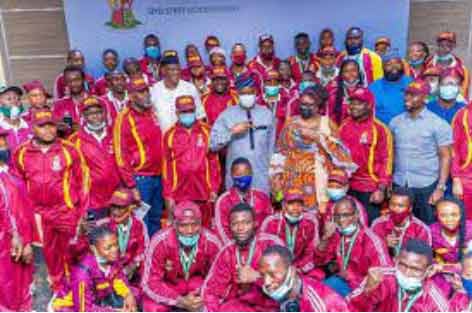
- Stadium Upgrades: Remodelled the Lekan Salami Sports Complex and several mini-stadiums (Ogbomoso, Saki, Iseyin, etc.) to provide modern training facilities for young athletes.

- Incentives for Athletes: Introduced a structured incentive system that led Oyo State to a 5th-place finish at the National Sports Festival.
- Creative Industry: Distributed thousands of free tickets to youths for major cultural events like Davido’s ‘5ive’ Tourin Ibadan to encourage engagement in the creative arts.
-
- Youth entrepreneurship
- Agribusiness integration
- Political inclusion
- Skills development
- Sports economy expansion
WOMEN AFFAIRS AND SOCIAL INCLUSION
Governor Seyi Makinde has implemented several transformative initiatives in Oyo State focused on women’s empowerment, gender protection, child welfare, and the inclusion of vulnerable populations. His administration has prioritised women’s participation in governance, strengthened legal protections, and launched targeted healthcare, social welfare, and economic empowerment programmes for women and children.
These reforms position Oyo State as a leading subnational model for inclusive governance, gender-responsive policy, and sustainable social development, with scalable potential across Nigeria and broader African governance systems.
Key Achievement in Women Affairs and Social Invlusion
- Women’s Governance and Political Inclusion
Governor Makinde has intentionally increased female representation in leadership and decision-making positions, achieving a significant progress in gender balance within his cabinet and governance structures.
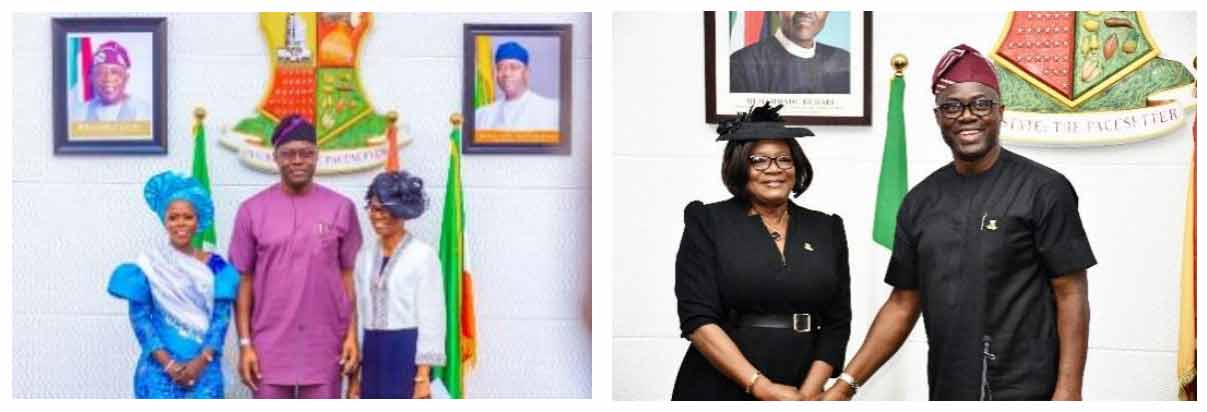
- Top Leadership Representation: For the first time in the South-West, women simultaneously occupy the positions of Secretary to the State Government (SSG) and Head of Service (HoS).
- Cabinet Representation: The state executive council includes Four Female Commissioners in strategic ministries such as Health, Women Affairs, Youth and Sports, and Special Duties.
- Local Government: Women have been appointed as Caretaker Chairpersons across local governments and Local Council Development Areas (LCDAs).
- Civil Service Advancement: More women have been appointed as Permanent Secretaries and Heads of Local Government Administrations (HLAs).
- Scalability Insight: This governance inclusion framework provides a replicable model for promoting women’s political participation and leadership representation across Nigerian states and emerging democracies global
- Protection Against Gender-Based Violence (GBV)
The administration has strengthened the legal and institutional framework to combat violence against women and children.
- Legislation: Signed the Violence Against Persons Prohibition (VAPP) Bill 2021 into law to protect vulnerable persons.
- Rapid Response Team: Established the Ministry of Women Affairs Gender-Based Violence Rapid Response Team (MWARRT)to immediately address abuse cases.
- Survivor Support Infrastructure: Commissioned the Abiamo Sexually Abused Referral Centre, providing a one-stop spot for the medical and psychological treatment of survivors.
- Child Right Protection: Commissioned the Oyo State Family Courtat Iyaganku, Ibadan, specifically to promote and protect child rights.
- Scalability Insight: These interventions offer a scalable national framework for gender justice systems, survivor support centres, and institutional child protection mechanisms.
- Health and Social Welfare Initiatives
Several strategic programmes directly target the health, dignity, and socio-economic well-being of women and vulnerable populations.
- Maternal and Child Health: Launched the T’omo T’iya (Child and Mother) initiative to reduce infant and maternal mortality through comprehensive care before and after birth.
- Special Medical Projects: Conducted the Omi Tuntun Free Vesico-Vaginal Fistula (VVF) Surgical Repair Project for affected women.
- Health Insurance: Enrolled 10,000 women from all 33 local governments into the Oyo State Health Insurance Agency (OYSHIA) scheme for free healthcare access.
- Workplace Support: Established the Oyo State Day Care and Breastfeeding Centre to support nursing mothers working in the public service.
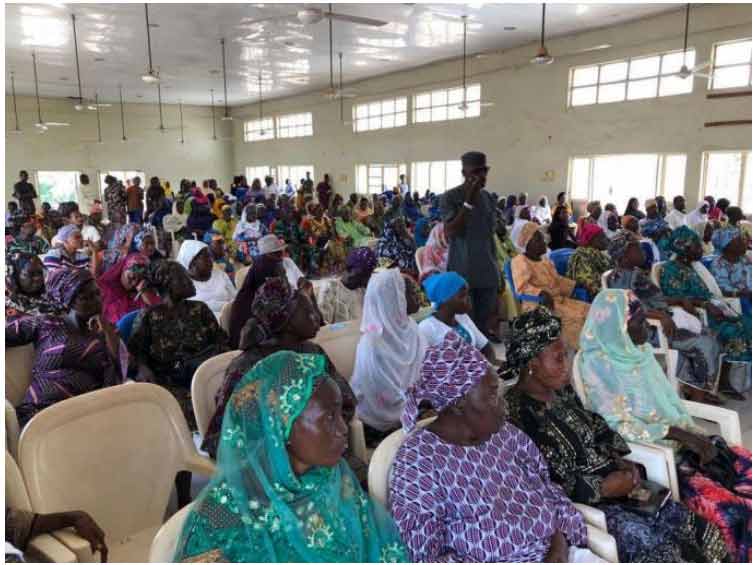
- Scalability Insight: This integrated healthcare and welfare model can be replicated across Nigeria to improve maternal health, workforce inclusion, and healthcare equity.
- Other Supporting Social Infrastructure
In addition to legal protections, the administration has implemented complementary social inclusion programmes, including:
- Implementation of policies enforcing zero tolerance for harmful traditional practices
- Establishment of support centres for survivors of gender-based violence
- Integration of gender perspectives in all sectoral policies and programs
- Provision of scholarships and educational support for girls and vulnerable children
Impact on Social Outcomes and Daily Life
The advancement of women’s rights and social inclusion has had measurable effects on household welfare, child protection, workforce participation, and community resilience.
Key Impacts:
- Increased women’s representation in governance and leadership
- Improved protection against gender-based violence
- Expanded healthcare access for women and vulnerable groups
- Strengthened child welfare systems
- Reduced poverty through women’s economic empowerment
- Improved educational opportunities for girls
- Enhanced social cohesion and reduced vulnerability
Women’s economic participation has strengthened household income generation, while social welfare systems have reduced exclusion and poverty among vulnerable populations.
National and Regional Scalability
Oyo State’s women and social inclusion model provides a scalable governance framework for:
- Gender-balanced political appointments
- GBV legal enforcement systems
- Maternal and child healthcare programmes
- Inclusive civil service reforms
- Women-focused economic empowerment
- Child protection systems
If adopted nationally, these reforms can significantly advance Nigeria’s progress toward:
- Gender equality
- Sustainable Development Goals (SDGs)
- Human capital development
- Poverty alleviation
- Social stability
Global and Pan-Nigerian Relevance
Governor Makinde’s women and social inclusion strategy aligns with international best practices, including:
- United Nations Sustainable Development Goal 5 (Gender Equality)
- Human rights governance frameworks
- Inclusive development policies
- Social protection systems
This positions Oyo State as a globally relevant model for subnational social transformation and inclusive governance.
Continued investment in women’s empowerment and social inclusion remains central to sustainable economic growth, human capital development, and national prosperity.
Governor Makinde’s reforms demonstrate that inclusive leadership, gender-responsive governance, and targeted social protections can drive transformational development.
Oyo State’s success provides a practical blueprint that can be scaled across Nigeria and internationally, proving that when governance prioritises equity, dignity, and measurable outcomes, social progress becomes a catalyst for national renewal.
LEADERSHIP
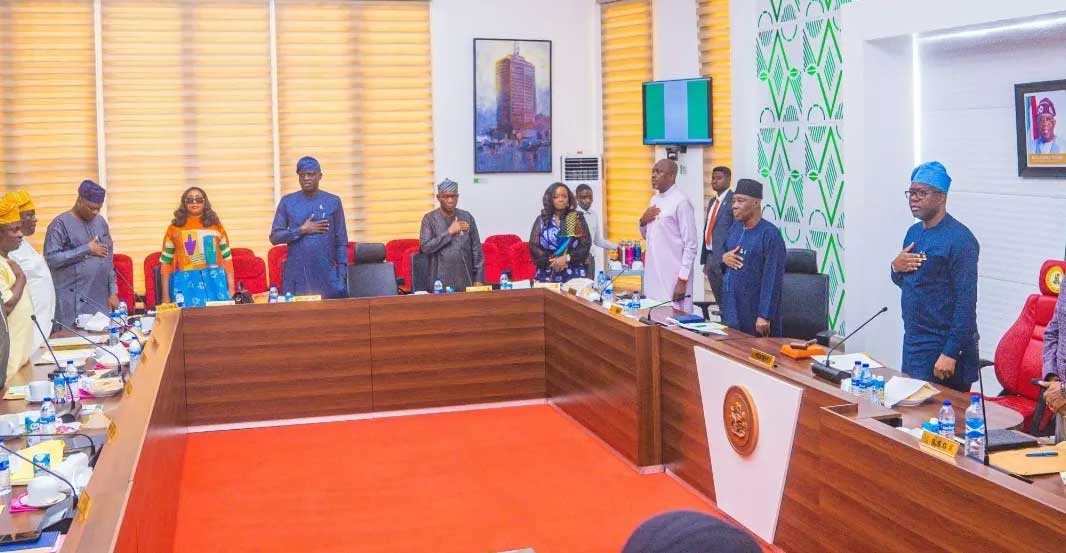
Governor Seyi Makinde has redefined leadership in Oyo State through a servant-leadership model that emphasises transparency, institutional reform, fiscal responsibility, and people-centred governance. His leadership style prioritises long-term structural transformation over short-term political gains, positioning him as a nationally recognised model for effective subnational governance.
Through strategic reforms, inclusive governance, and institutional strengthening, his administration has demonstrated how purposeful leadership can drive sustainable development, economic transformation, and social stability.
Core Leadership Achievements
- Transparency & Accountability: Governor Makinde established a governance culture rooted in openness, public trust, and fiscal discipline.
- Became a national benchmark for open governance by publicly declaring his assets upon taking office.
- Established the Oyo State Anti-Corruption Agency (OYACA) to fight graft and ensure fiscal discipline.
- Maintains a Feedback Mechanism and bimonthly newsletters to ensure citizen engagement and address public concerns directly.
- Scalability Insight: This transparency framework offers a scalable governance model for improving public accountability across Nigerian states and emerging democracies globally.
- Institutional Strength and Governance Reform: Governor Makinde has focused on building strong institutions rather than personality-driven governance.
- Focused on building enduring institutions rather than personal power, such as the Oyo State Project Monitoring Agency to ensure value for public funds.
- Transitioned the state’s economy from a reliance on federal allocations to a productive base, growing Internally Generated Revenue (IGR) from approximately ₦1.8 billion to over ₦8 billion per month.
- Inclusive Governance: Governor Makinde’s leadership has intentionally expanded participation among youth, women, and vulnerable groups.
- Youth & Women Empowerment: Approximately 60% of his appointees are young people and women, intentionally grooming a new generation of leaders.
- Domesticated the Violence Against Persons Prohibition (VAPP) Act and established a Rapid Response Team to protect vulnerable populations.
- Human Capital Development: The administration has prioritised workforce welfare, education, and social investment.
- Worker Welfare: Established the “GSM Day” (the 25th of every month) for regular salary payments and introduced the 13th-month salary bonus, a first in the state’s history.
- Education Reform: Scrapped the ₦3,000 education levy and implemented free primary and secondary education, resulting in over 54,000 out-of-school children returning to classrooms.
- Strategic Vision & Regional Leadership: Governor Makinde’s leadership extends beyond immediate governance into long-term strategic planning.
- Security Innovation: Spearheaded the creation of the Amotekun Corps (Western Nigeria Security Network) to bolster regional security and restore public confidence.
- Agenda 2040: Launched a long-term development plan to guide the state’s trajectory toward sustainable prosperity.
- Infrastructure for Economy: Linked all five zones of the state through over 500km of reconstructed roads, such as the Moniya-Iseyin and Oyo-Iseyin roads, to facilitate trade and agribusiness
Impact on Economic Activities and Daily Life
Governor Makinde’s leadership reforms have had measurable impacts on governance efficiency, economic stability, and public welfare.
Key Impacts:
- Increased investor confidence through transparent governance
- Improved fiscal sustainability
- Enhanced infrastructure delivery
- Expanded access to education and healthcare
- Improved worker welfare
- Strengthened public trust in government
- Reduced poverty through inclusive policies
- Enhanced security and social stability
His governance approach has directly improved daily life by ensuring more reliable public services, stronger institutions, and better economic opportunities for residents.
National and Regional Scalability
Governor Makinde’s leadership model offers scalable frameworks for:
- Transparent governance
- Fiscal reform
- Institutional strengthening
- Human capital development
- Security innovation
- Regional economic integration
If adopted more broadly, these reforms could significantly enhance governance performance, economic growth, and democratic stability across Nigeria.
Governor Seyi Makinde’s leadership demonstrates that transparent, inclusive, and institution-driven governance can deliver measurable, sustainable development.
His administration provides a practical blueprint for:
- National renewal
- Economic transformation
- Democratic strengthening
- Social progress
Oyo State’s leadership model proves that when governance prioritises structure, accountability, and long-term development over political expediency, transformational progress becomes achievable.
This is a scalable model for broader Nigerian prosperity and a globally relevant example of results-driven governance.