Welcome to the Official Website of Seyi Makinde Presidential Campaign 2027

Electricity is the pillar of any modern economy, yet in Nigeria, it has become a symbol of failure. Power supply is unreliable, inconsistent, and grossly inadequate holding back businesses, crippling industries, and frustrating everyday life.
Nigeria’s power sector is not just underperforming, it is broken. A weak and unstable national grid, outdated infrastructure, and years of poor management have left millions of Nigerians in constant darkness.
Despite an installed capacity of over 13,000 MW, the country struggles to deliver even 5,000 MW. The result is a nation forced to depend on generators, endure skyrocketing energy costs, and watch businesses shut down under the weight of unreliable electricity.
This is unacceptable. A country of over 200 million people cannot continue to run on excuses and failure.
Nigeria cannot grow in darkness. Yet today, that is exactly where the system has left its people—trapped in a cycle of inefficiency, high costs, and lost opportunities.
What should power progress has instead become a barrier to development. What should drive industry now weakens it. What should improve lives now makes them harder.
Nigeria’s power crisis is not accidental—it is the result of years of neglect, weak policies, and failed leadership. And until it is confronted with bold, decisive action, it will continue to hold the nation back.
However, these challenges also present an opportunity for reform. With the right leadership, clear policies, and strong accountability, Nigeria’s power sector can be transformed into a driver of economic growth, industrial expansion, and national development.
Nigeria’s power challenges are deep-rooted and interconnected:
- Recurrent National Grid Collapses: The national grid remains highly unstable, with repeated collapses disrupting economic activities and daily life of every Nigerian. These failures are often triggered by weak infrastructure and poor system management.

- Infrastructure Vandalism and Security Failures: Persistent attacks on transmission lines, towers, and gas pipelines continue to cripple the power system, while insecurity in key regions delays repairs and worsens outages.
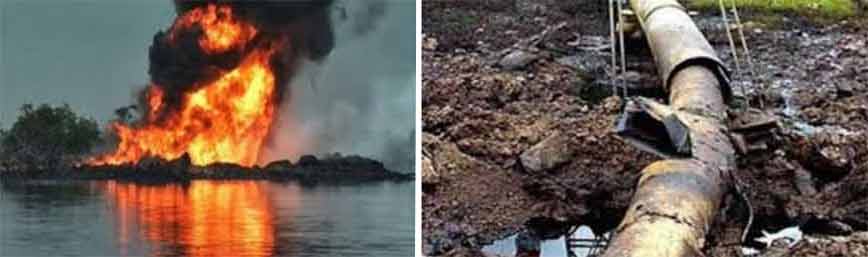
- Unreliable Gas Supply and Overdependence: The sector’s heavy reliance on gas-fired plants leaves it exposed to frequent disruptions caused by pipeline vandalism, pricing disputes, and a broken payment system across the energy value chain.
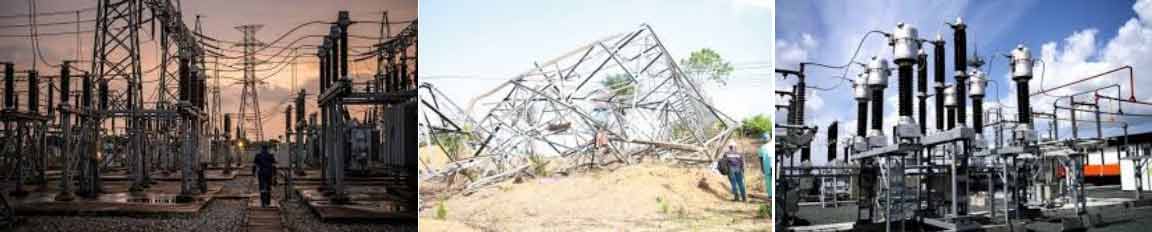
- Aging and Failing Infrastructure: Nigeria’s transmission and distribution networks are outdated, overstretched, and poorly maintained severely limiting the amount of electricity that can be delivered reliably to homes and businesses.
- Broken Financial Structure and Mounting Debt: The power sector is trapped in a cycle of unpaid obligations, where Distribution Companies fail to recover sufficient revenue, leaving Generation Companies and gas suppliers unpaid and the entire system financially crippled.
- Unfair Billing and Tariff Mistrust: Millions of Nigerians are still subjected to estimated billing, fuelling widespread distrust. At the same time, tariff increases continue without any meaningful improvement in service delivery, deepening public frustration.

- Privatization Failure and Weak Oversight: The 2013 privatization has largely failed to deliver results, due to poor regulatory enforcement and the inability of operators to invest in and upgrade critical infrastructure.
- Liquidity Crisis and Sector Debt: A cycle of unpaid obligations persists, where Distribution Companies struggle with revenue collection, affecting payments to Generation Companies and gas suppliers, ultimately weakening the entire system.
- Tariff and Metering Challenges: Millions of Nigerians remain on estimated billing, creating distrust in the system. Tariff increases without corresponding service improvements continue to generate public dissatisfaction.
- Failed Privatization Outcomes: The 2013 privatization failed to deliver expected improvements, largely due to weak regulatory enforcement and inadequate investment by operators.
Solutions
Addressing Nigeria’s power crisis requires decisive, practical, and long-term reforms.
Seyi Makinde will transform Nigeria’s power sector through bold and sustainable reforms:
- Stabilise the National Grid:A Makinde Administration will prioritise grid stability through targeted investments in modern control systems, infrastructure upgrades, and improved operational management to reduce and eliminate frequent collapses.
- Protect Power Infrastructure:Strengthen security around critical energy infrastructure and deploy technology-driven monitoring systems to reduce vandalism and ensure rapid response to faults.
- Promote Decentralised and Renewable Energy:Reduce overdependence on the national grid by supporting state-level power generation, mini-grids, and renewable energy solutions such as solar and hydro to improve access, especially in underserved communities.
- Upgrade Transmission and Distribution Infrastructure:Implement a nationwide rehabilitation programme to replace obsolete equipment, expand transmission capacity, and strengthen distribution networks to deliver more power efficiently to homes and businesses.
- Resolve Sector Liquidity and Debt Issues:Introduce transparent financial reforms to break the cycle of debt, improve revenue collection, enforce accountability among operators, and ensure timely payments across the value chain.
- Ensure Fair and Transparent Billing:Accelerate nationwide metering to eliminate estimated billing, restore consumer confidence, and ensure Nigerians only pay for what they use.
- Strengthen Regulation and Accountability:Reform regulatory institutions to enforce performance standards, ensure compliance by power operators, and protect consumers from exploitation.
- Encourage Private Sector Investment:Create a stable and transparent policy environment that attracts credible investors into generation, transmission, and distribution, ensuring long-term sustainability of the sector.
Nigeria cannot achieve industrial growth, job creation, or economic stability without reliable electricity. Power is not a luxury it is a necessity for national development.
Through disciplined leadership, strategic investment, and accountability, Nigeria can move from a nation struggling with darkness to one powered for growth and prosperity.
Join the Reset Nigeria Movement to support Seyi Makinde for his Presidential ambition in building a Nigeria where power supply is stable, affordable, and accessible to all because when Nigeria is powered, Nigeria works.